
- By KattaAgro
- May 16, 2026
- Cow Dung Products
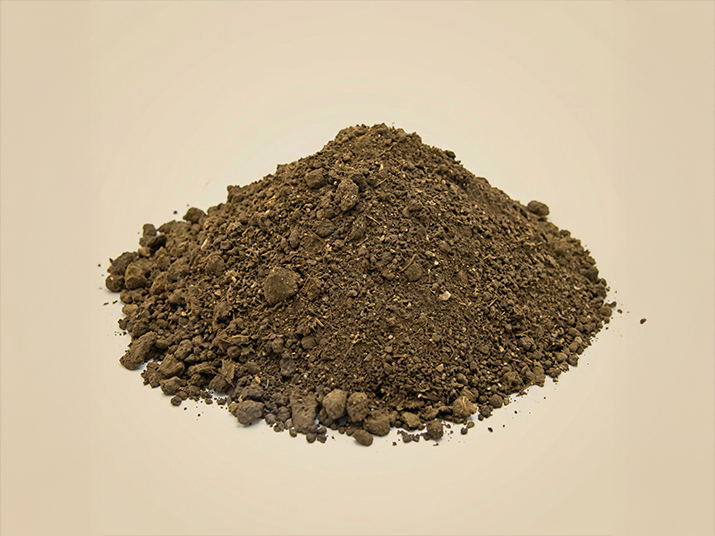
Cow dung manure has been used in agriculture for centuries and continues to be one of the most effective natural fertilizers for improving soil health and crop productivity. Rich in organic matter and beneficial nutrients, cow dung manure supports sustainable farming while reducing dependence on chemical fertilizers.
1. Improves Soil Fertility
Cow dung manure contains essential nutrients such as nitrogen, phosphorus, potassium, and micronutrients that are necessary for healthy plant growth. It gradually releases nutrients into the soil, providing long-lasting nourishment to crops.
2. Enhances Soil Structure
Regular application of cow dung manure improves soil texture and structure. It helps loosen compact soil, improves aeration, and allows roots to penetrate deeper, resulting in healthier plants and better crop development.
3. Increases Water Holding Capacity
Organic matter present in cow dung acts like a sponge, helping the soil retain moisture for longer periods. This reduces water loss, improves drought resistance, and lowers irrigation requirements.
4. Promotes Beneficial Microbial Activity
Healthy soil depends on microorganisms for nutrient cycling and decomposition. Cow dung manure supports the growth of beneficial bacteria, fungi, and earthworms, which naturally improve soil fertility and maintain ecological balance.
5. Reduces Dependence on Chemical Fertilizers
Continuous use of chemical fertilizers can damage soil health over time. Cow dung manure offers a natural alternative by supplying nutrients organically, helping farmers reduce chemical inputs and maintain long-term soil productivity.
6. Eco-Friendly and Sustainable
Cow dung manure is biodegradable and environmentally friendly. It converts livestock waste into a valuable agricultural resource, reducing pollution and supporting sustainable farming practices.
7. Improves Crop Quality and Yield
Plants grown in organically enriched soil often develop stronger roots, healthier growth, and improved resistance to stress. Balanced nutrient availability from cow dung manure can contribute to better crop quality and consistent yields.
8. Supports Organic Farming Practices
Cow dung manure is widely used in organic and natural farming systems. It is suitable for vegetables, fruits, cereals, nurseries, gardens, and plantations, making it an important component of sustainable agriculture.
9. Cost-Effective for Farmers
For dairy farms and rural households, cow dung is easily available and inexpensive. Preparing manure from locally available resources helps farmers reduce input costs while improving soil health and crop productivity.
Conclusion
Cow dung manure remains one of the most valuable natural fertilizers in agriculture. It improves soil fertility, enhances water retention, promotes microbial activity, and supports environmentally sustainable farming. As the demand for organic and regenerative agriculture continues to grow, cow dung manure offers farmers a simple, affordable, and effective solution for healthier soil and better crop production.