
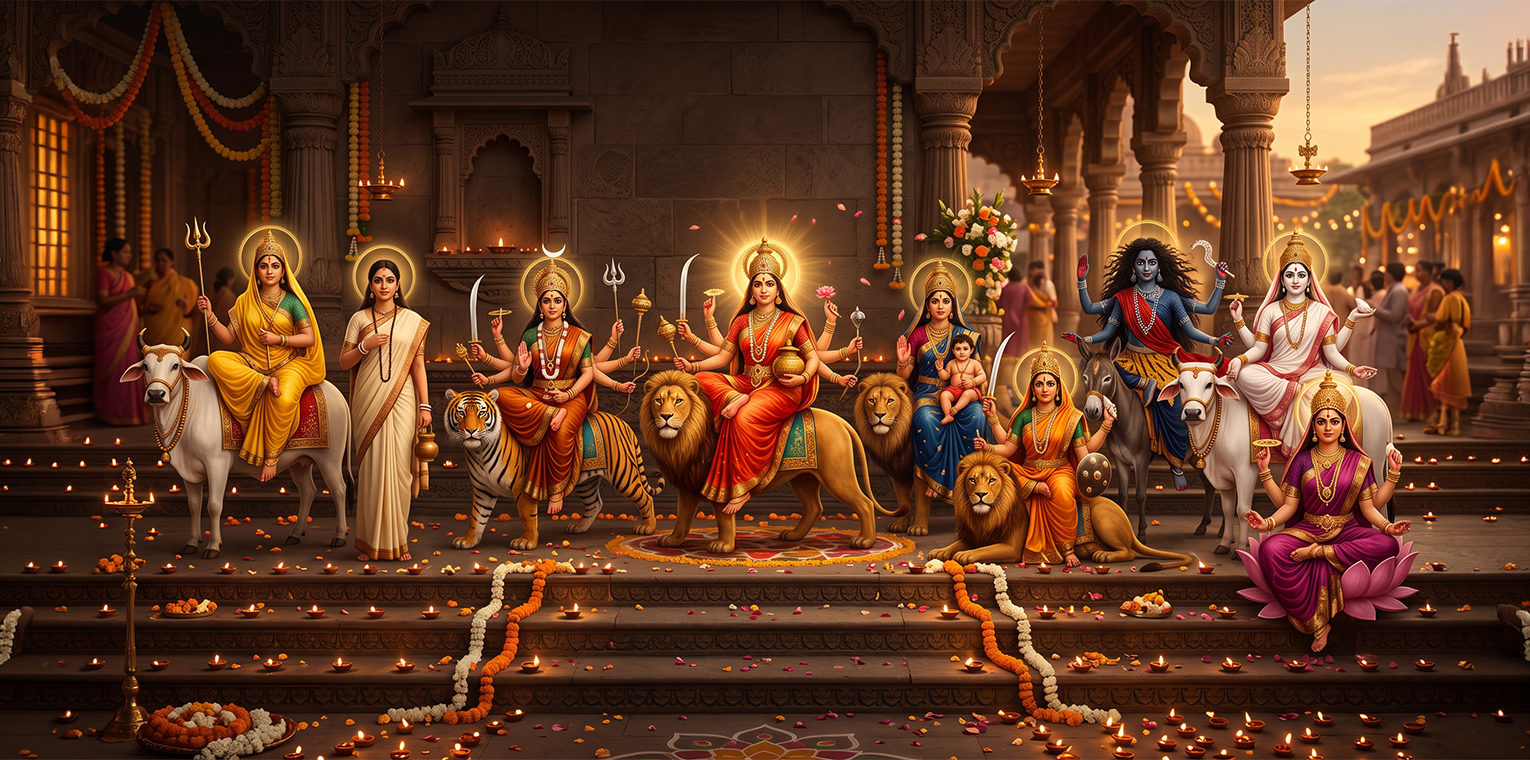
Celebrate Navaratri 2026 with devotion, tradition and the goodness of nature – with Katta Farms.
Navaratri is more than a festival. It is a celebration of faith, feminine strength, family traditions and the blessings we cherish in our everyday lives. Across India, homes come alive with the fragrance of flowers, the glow of diyas, devotional songs and the preparation of special prasadam offered to Goddess Durga.
Navaratri 2026 is a wonderful opportunity to reconnect with these beautiful traditions. From worshipping the nine forms of Goddess Durga to wearing auspicious colours and preparing homemade prasadam, each day carries its own spiritual significance.
In this complete guide, Katta Farms brings you the Navaratri 2026 nine avatars, daily colours, traditional prasadam ideas and festive food inspiration, along with simple ways to bring natural ingredients such as organic honey and cold-pressed oils into your everyday kitchen.
What Is the Significance of Navaratri?
The word Navaratri means nine nights. During this sacred festival, devotees worship the divine feminine through the nine forms of Goddess Durga, collectively known as Navadurga.
Each avatar represents a different quality, including courage, devotion, wisdom, compassion, strength and spiritual fulfilment.
In Andhra Pradesh and Telangana, Navaratri is celebrated with special pujas, temple visits, devotional activities and traditional offerings. Many families observe fasting, prepare prasadam at home and gather together to seek the blessings of Goddess Durga.
Although customs differ across regions, the central message remains the same: faith gives us strength, devotion brings peace, and goodness begins with the choices we make every day.
Navaratri 2026: Nine Avatars, Colours and Prasadam
Each day of Navaratri is associated with a form of Goddess Durga. Many devotees also follow a nine-colour tradition, although the colours assigned to specific dates can vary by year and regional calendar.
The following guide presents the traditional sequence of the nine avatars, with commonly suggested colour associations and prasadam ideas. Confirm the daily colours and festival dates against your local 2026 panchang before following a date-specific schedule.
Day 1: Maa Shailputri – The Goddess of Strength
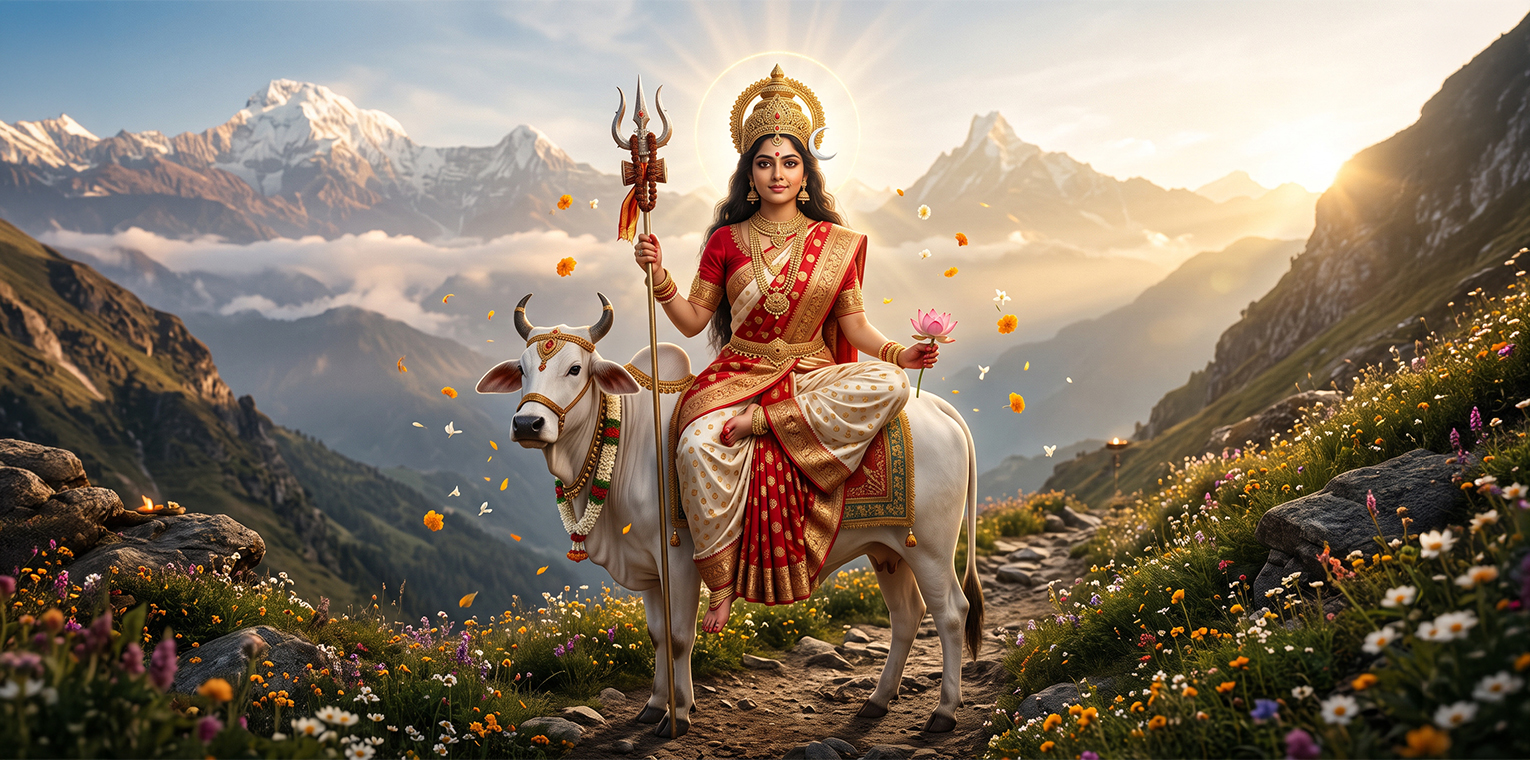
Colour : Yellow is commonly associated with the first day in many Navaratri colour calendars.
Maa Shailputri represents strength, purity and a deep connection with nature. As the first form of Navadurga, she marks the beginning of the spiritual journey through Navaratri.
Devotees begin the festival by cleaning their puja spaces, arranging flowers, lighting a diya and offering prayers with a peaceful heart.
Traditional prasadam ideas: Fruits, milk-based offerings or other simple preparations according to family customs.
A thought for the day: Begin the festival with gratitude for the strength and blessings already present in your life.
Day 2: Maa Brahmacharini – The Goddess of Devotion
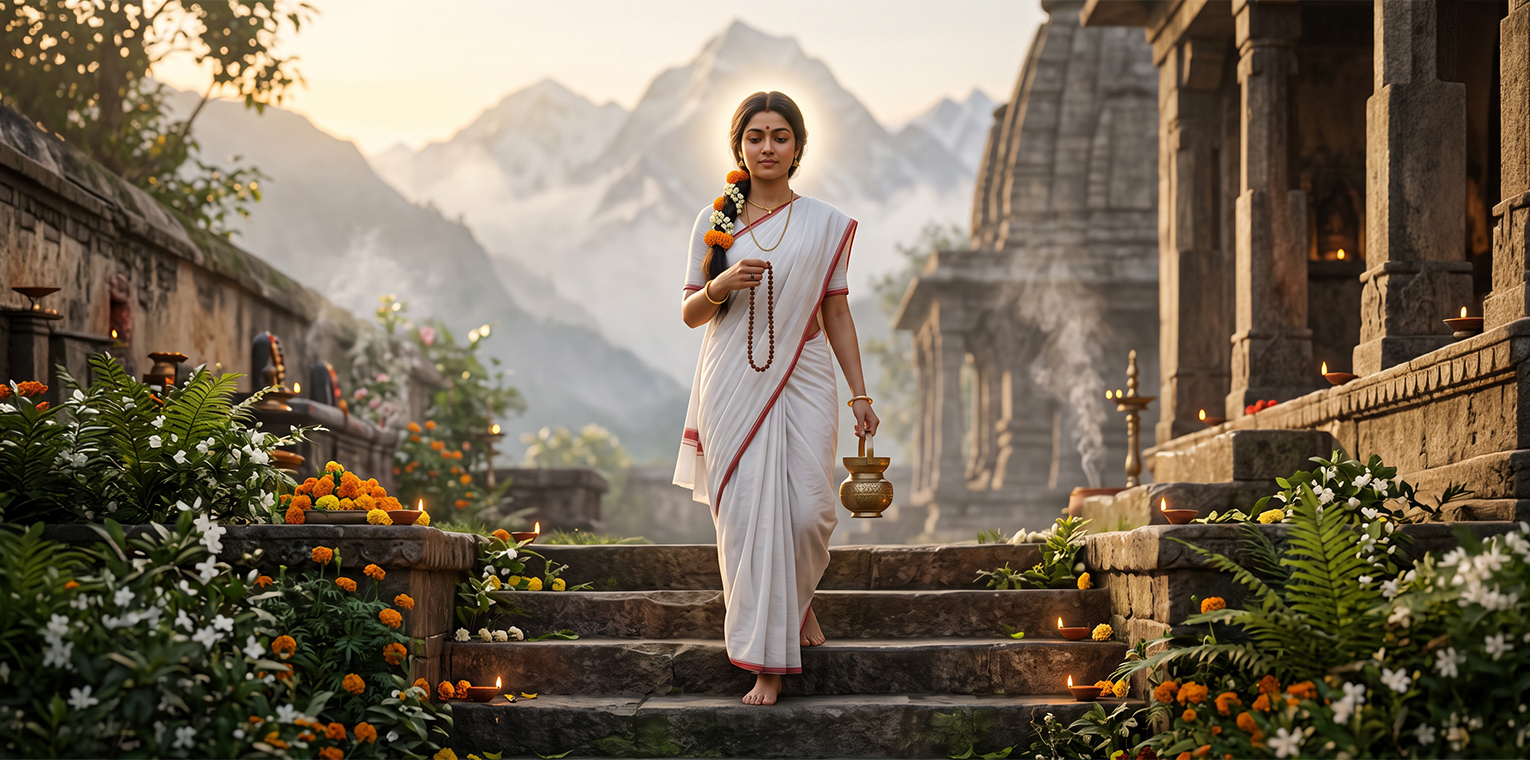
Colour : Green is a commonly used association in several nine-colour calendars.
Maa Brahmacharini symbolises devotion, patience, discipline and determination. Her story reminds devotees that meaningful achievements often come through faith and perseverance.
Families may spend extra time in prayer, read devotional texts or observe their traditional fasting practices.
Traditional prasadam ideas : Fruits, milk or simple homemade offerings suitable for your family’s customs.
A thought for the day: Patience and devotion can help us remain strong even when life feels difficult.
Day 3: Maa Chandraghanta – The Goddess of Courage
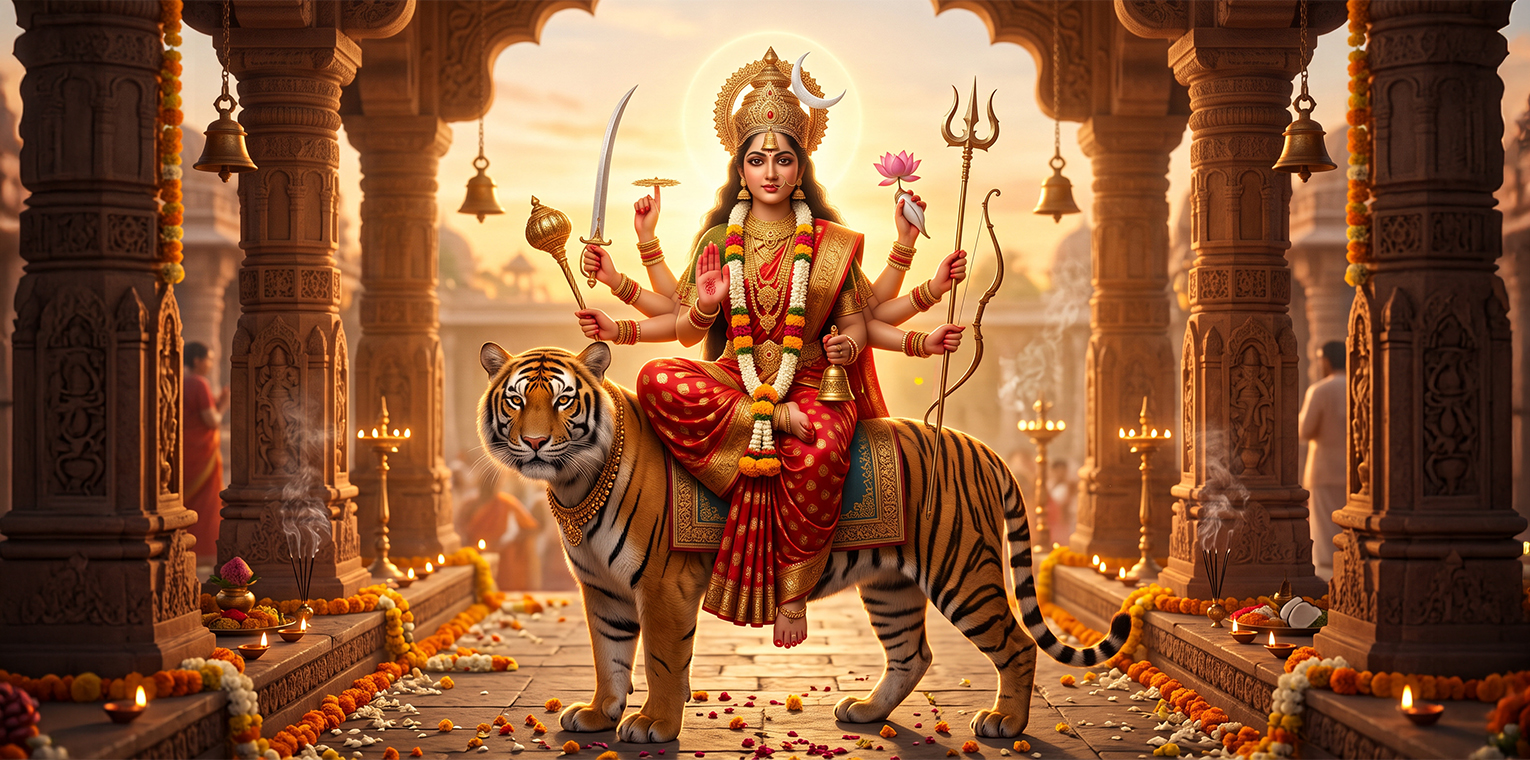
Colour : Grey is commonly associated with this day in many modern colour calendars.
Maa Chandraghanta represents courage, protection and readiness to face challenges. Her worship reminds devotees that strength is not simply the absence of fear, but the determination to move forward with faith.
Traditional prasadam ideas: Fruit offerings, milk-based sweets or other locally preferred preparations.
A thought for the day : Face every challenge with courage, kindness and a hopeful heart.
Day 4: Maa Kushmanda – The Goddess of Creation
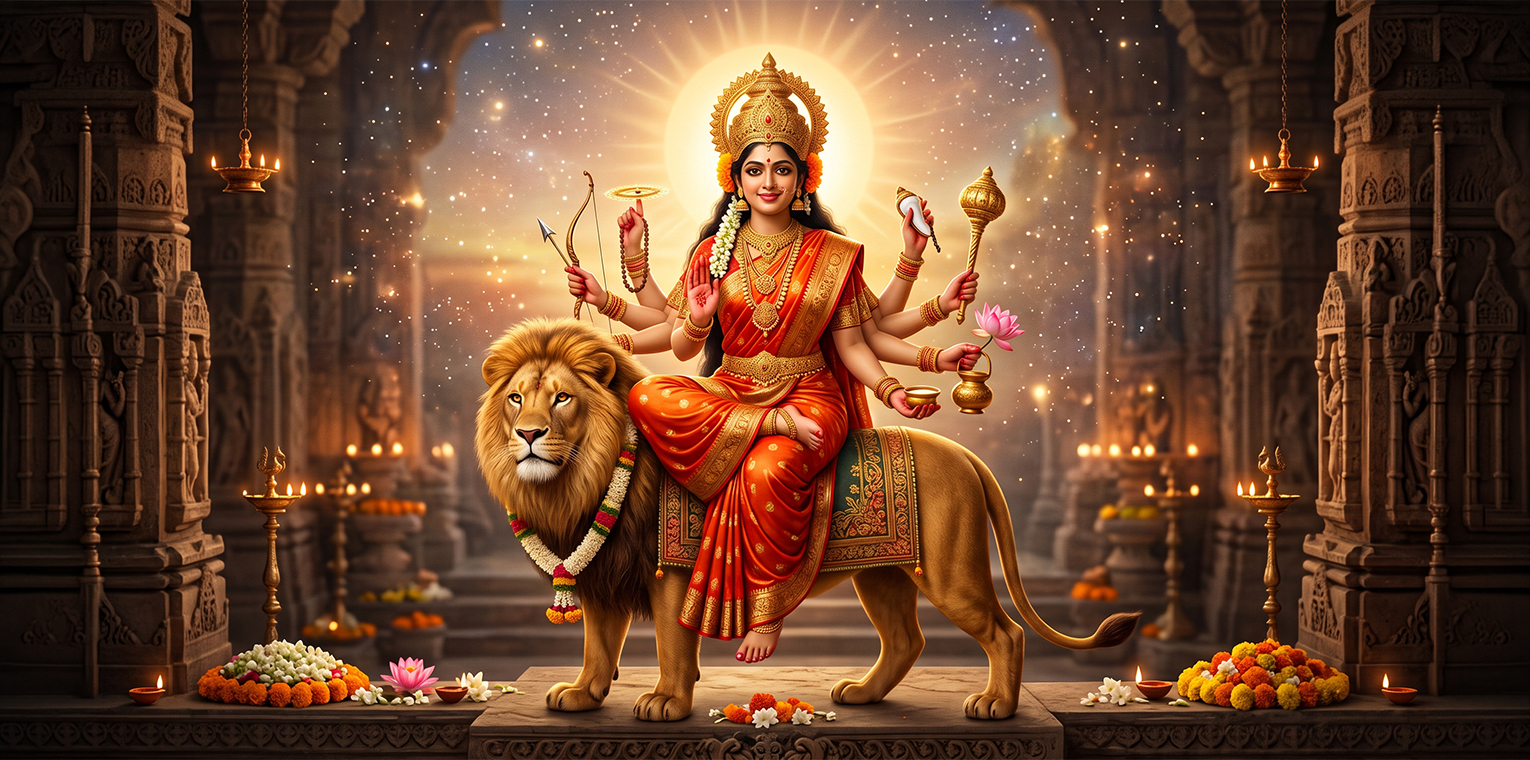
Colour : Orange is a commonly followed colour association.
Maa Kushmanda is associated with cosmic energy, creation and vitality. The fourth day encourages devotees to welcome new beginnings and appreciate the beauty of life.
Traditional prasadam ideas : Pumpkin-based preparations, fruits or traditional sweets, depending on local customs.
A thought for the day : Let positivity and gratitude guide your actions.
Day 5: Maa Skandamata – The Goddess of Motherhood
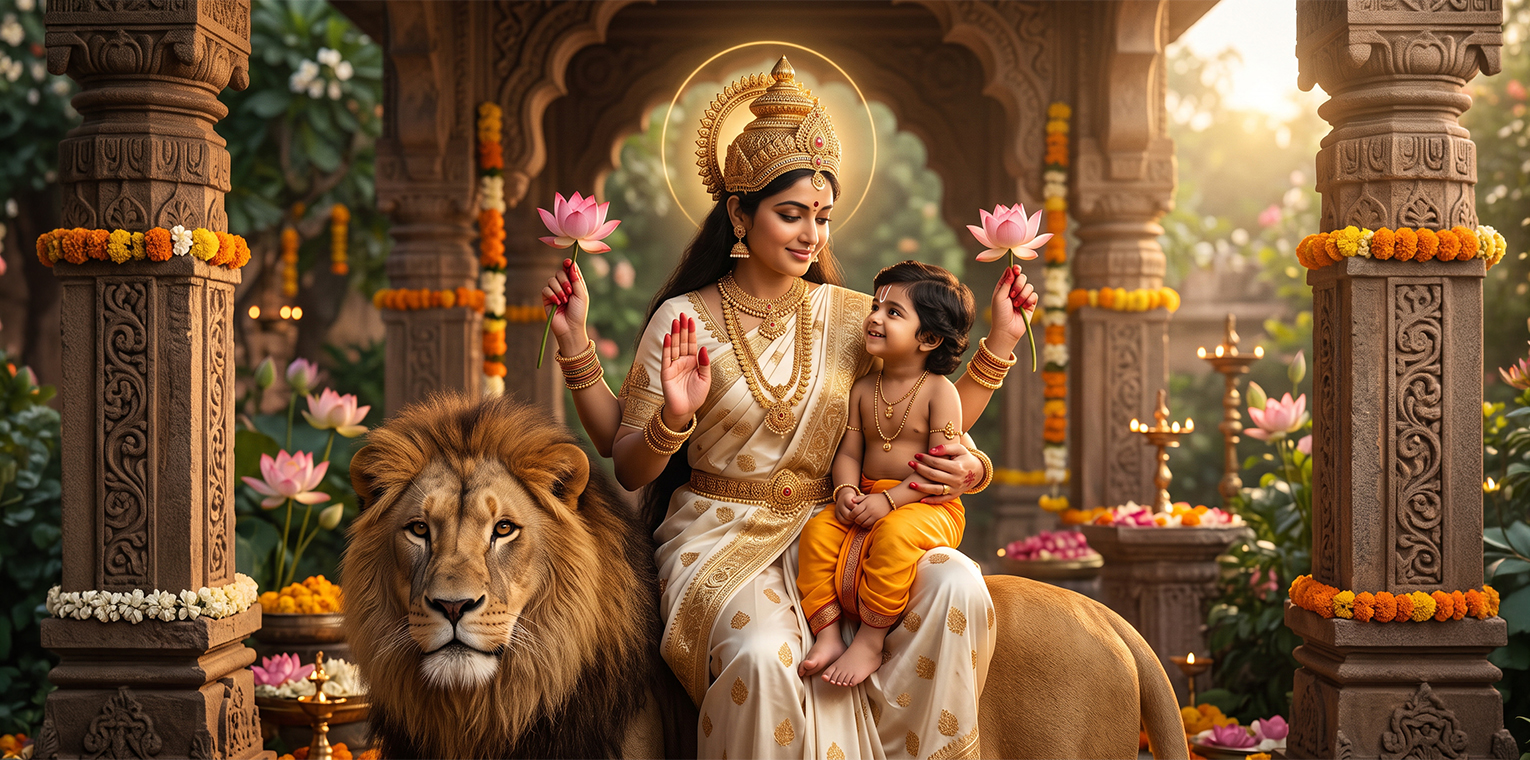
Colour : White is commonly associated with this day in several colour sequences.
Maa Skandamata represents maternal love, compassion and protection. Her worship reminds us of the selfless care that mothers and caregivers bring into our lives.
For many families, this is a beautiful opportunity to pray for the health, happiness and wellbeing of loved ones.
Traditional prasadam ideas : Banana, milk-based sweets or other traditional offerings.
A thought for the day : Appreciate the people who care for you and share your love generously.
Day 6: Maa Katyayani – The Goddess of Courage and Determination
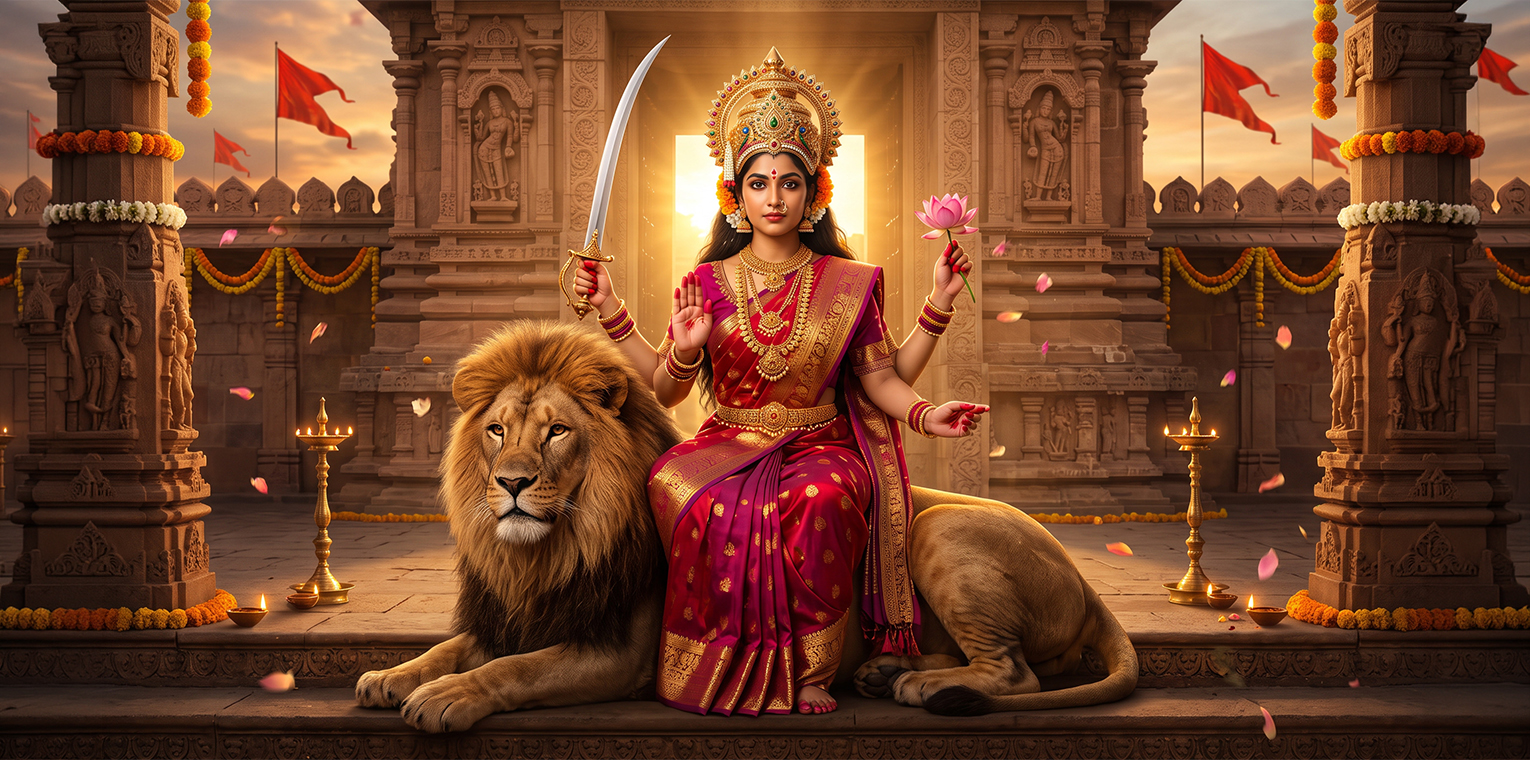
Colour : Red is commonly associated with this day.
Maa Katyayani represents strength, courage and the power to overcome obstacles. Devotees seek her blessings for confidence, clarity and determination.
Traditional prasadam ideas : Honey, fruits or traditional sweets where permitted by the family’s ritual customs.
A thought for the day : Believe in your strength and take one positive step towards your goals.
Day 7: Maa Kalaratri – The Goddess Who Removes Fear
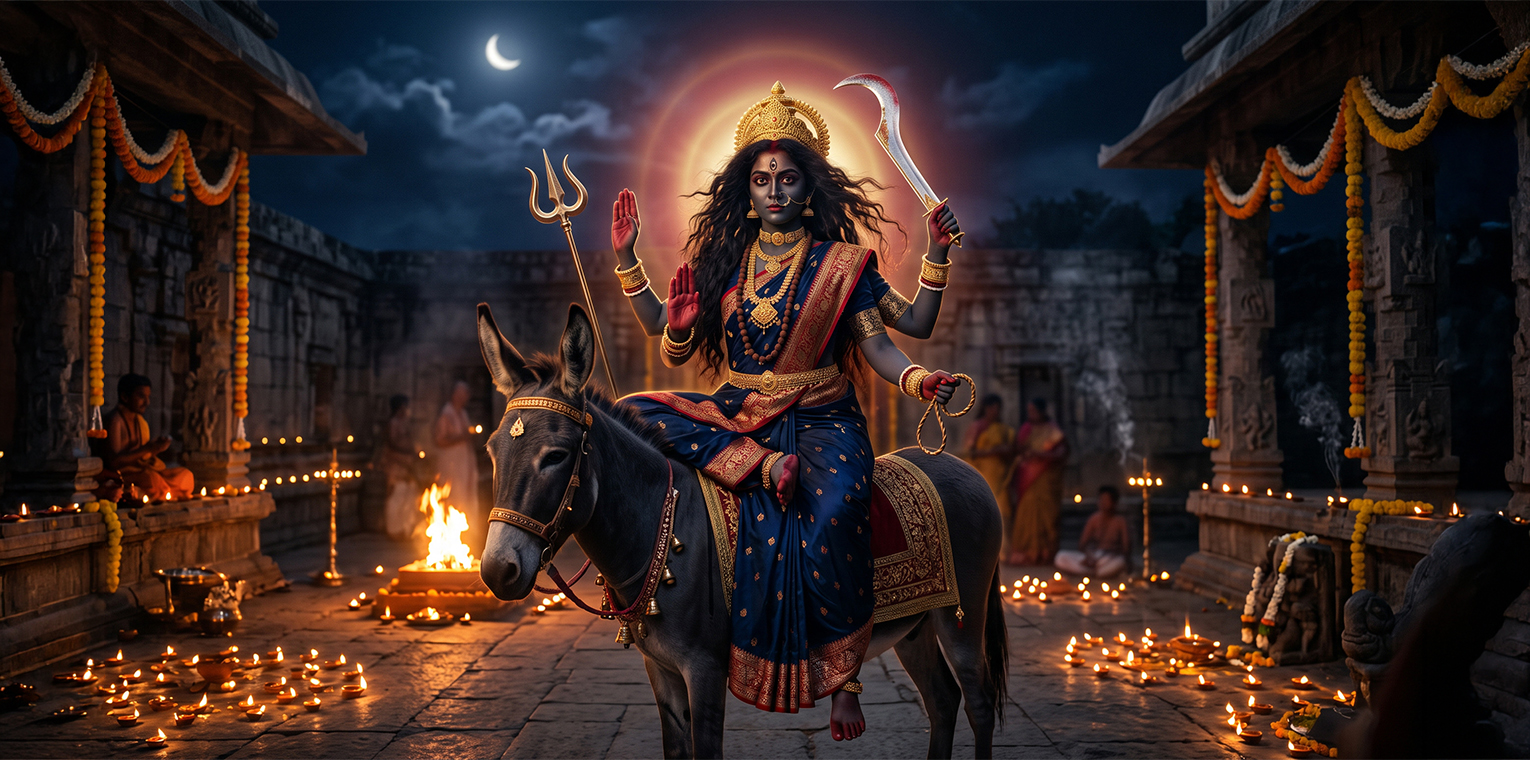
Colour : Royal blue is a commonly used association.
Maa Kalaratri symbolises fearlessness, protection and the destruction of negativity. Her powerful form reminds devotees that even the darkest moments can be faced with courage and faith.
Traditional prasadam ideas : Jaggery-based preparations, fruits or other customary offerings.
A thought for the day : Let faith help you move through uncertainty with courage.
Day 8: Maa Mahagauri – The Goddess of Peace and Purity
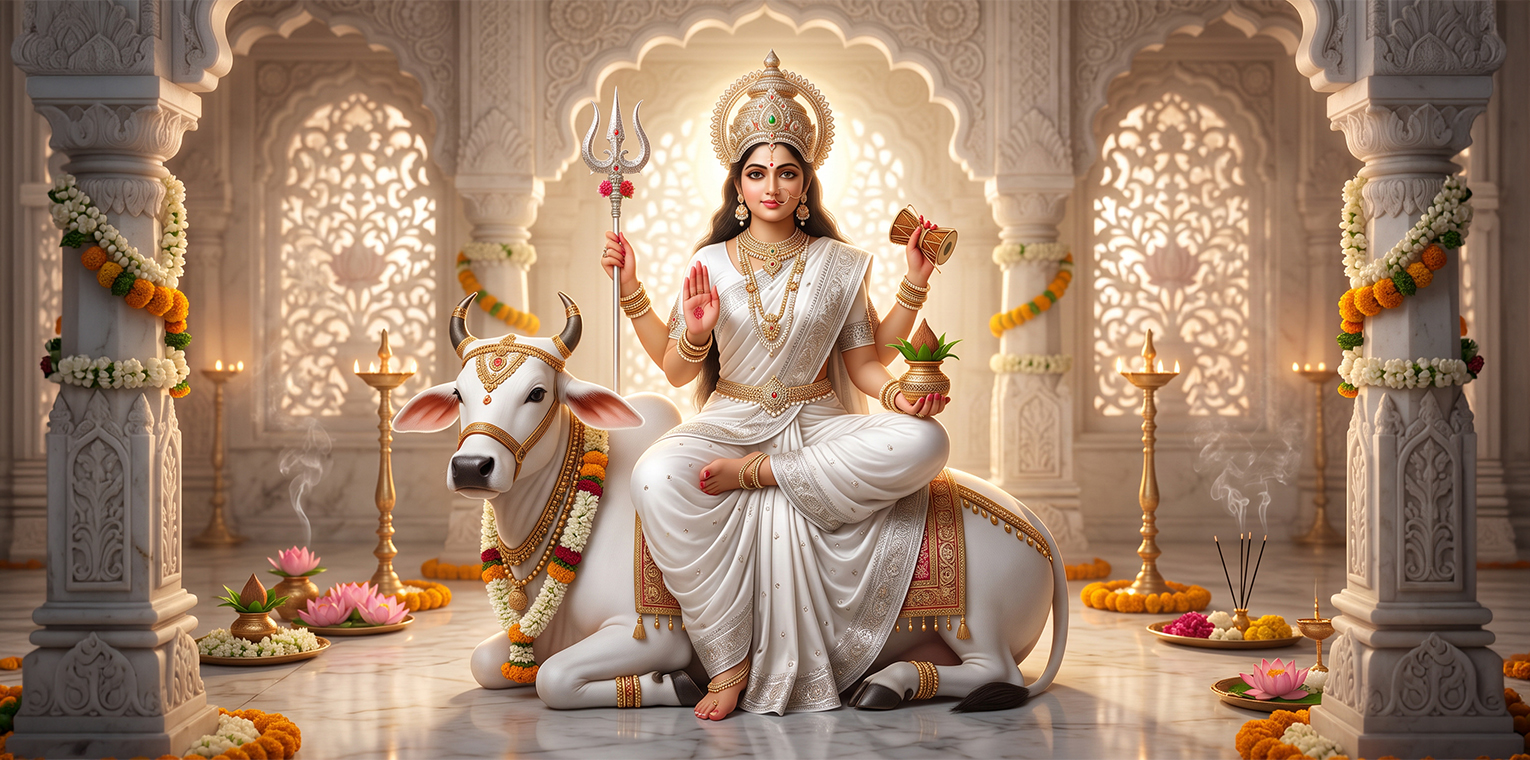
Colour : Pink is commonly associated with this day in some modern colour calendars.
Maa Mahagauri represents peace, purity and serenity. Durga Ashtami is an important occasion for many devotees, who perform special pujas and prepare traditional offerings.
Some families also observe Kanya Puja, honouring young girls as manifestations of divine feminine energy.
Traditional prasadam ideas : Coconut-based sweets, halwa, puri or other traditional dishes, depending on family and regional customs.
A thought for the day : Make room for peace, forgiveness and compassion in your home.
Day 9: Maa Siddhidatri – The Goddess of Spiritual Fulfilment
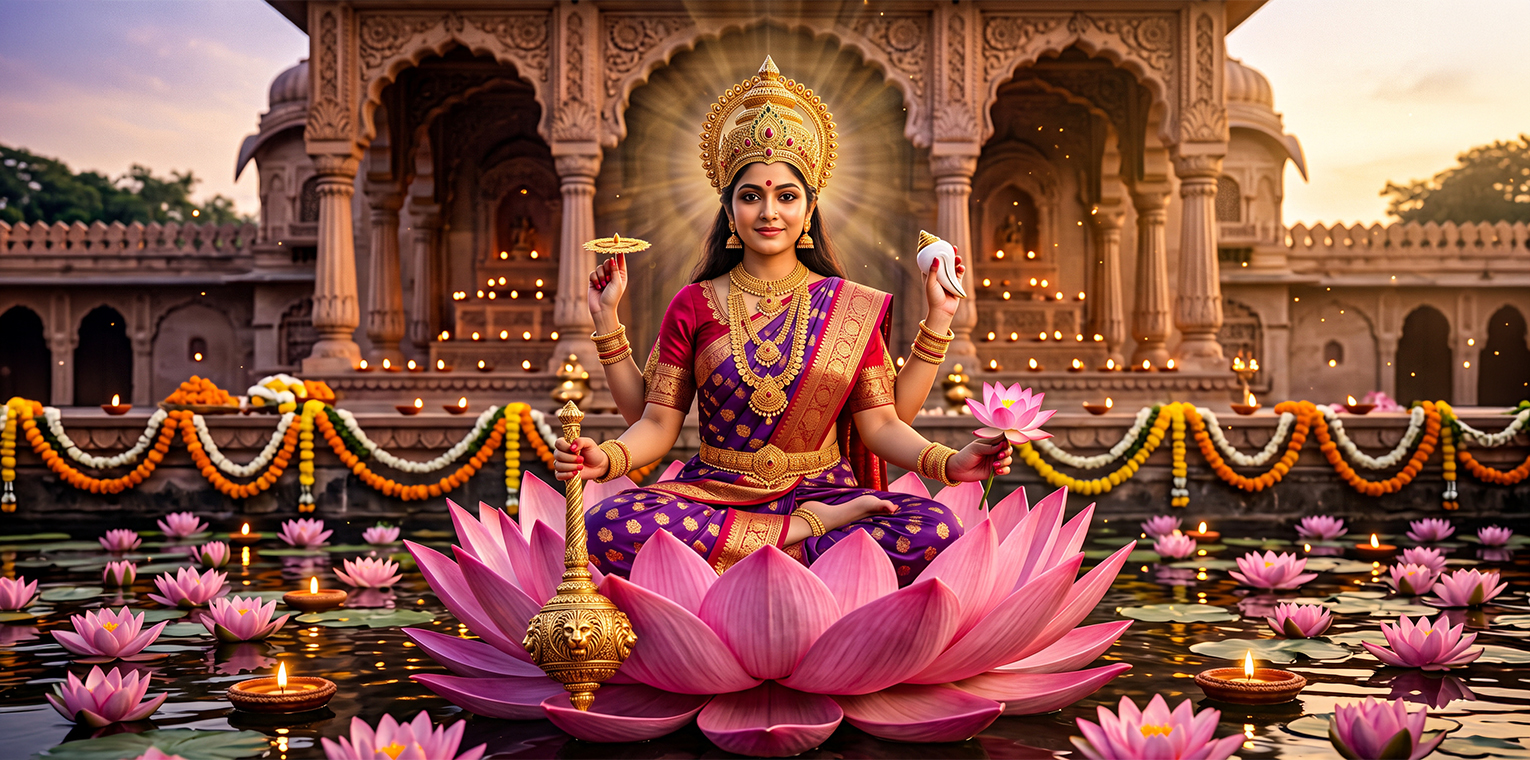
Colour : Purple is a commonly used association for the ninth day in some colour calendars.
Maa Siddhidatri represents wisdom, spiritual fulfilment and divine blessings. The ninth day brings the Navaratri worship period towards its conclusion.
Many devotees perform special prayers, prepare festive offerings and express gratitude for their family’s wellbeing.
Traditional prasadam ideas : Sesame-based sweets, fruits or other offerings customary in your region.
A thought for the day : End the nine-day journey with gratitude, humility and renewed faith.
Navaratri 2026 Colours: What Do They Symbolise?
Colours make Navaratri celebrations especially beautiful. Devotees often wear a designated colour each day, decorate their homes and choose flowers or puja accessories that reflect the festive mood.
Here are some commonly recognised colour associations:
i) Yellow: Happiness, warmth and optimism.
ii) Green: Growth, renewal and harmony.
iii) Grey: Balance and composure.
iv) Orange: Energy and enthusiasm.
v) White: Peace and purity.
vi) Red: Strength, devotion and power.
vii) Royal blue: Confidence and inner strength.
viii) Pink: Love, compassion and joy.
ix) Purple: Grace and spiritual depth.
These meanings are symbolic and can differ across traditions. The exact nine-colour sequence for Navaratri 2026 should be checked against the calendar followed in your region.
Traditional Navaratri Prasadam: Simple Offerings Made with Love
Prasadam is an expression of devotion and gratitude. Whether it is a bowl of fresh fruit or a lovingly prepared traditional sweet, the intention behind the offering is an important part of the celebration.
Here are a few prasadam ideas for families preparing for Navaratri.
1. Fresh Fruit Prasadam
Fresh fruits are a simple choice for many pujas. Wash and arrange seasonal fruits neatly on a clean plate before offering them according to your family’s tradition.
2. Traditional Payasam
Payasam is prepared in many Indian households during festivals and special occasions. Depending on your family’s customs, it can be made with milk, rice, vermicelli or other ingredients.
3. Sundal and Legume Offerings
Different varieties of sundal and cooked legumes are used as offerings in some regional traditions. Check whether the ingredients are suitable for your specific fasting practice.
4. Coconut-Based Sweets
Coconut ladoos and other coconut-based sweets are popular festive preparations in many households. They can be made at home and offered as part of the family’s customary puja.
5. Homemade Honey-Based Preparations
Honey is used in some traditional food preparations and certain religious rituals. When a recipe or ritual permits it, a small quantity of suitable honey can add natural sweetness to a preparation.
Always follow your family’s religious practices when selecting ingredients for prasadam. Some traditions restrict particular foods during fasting or require specific ingredients for offerings.
Katta Farms Organic Honey: A Natural Choice for Everyday Sweetness
Festivals remind us to appreciate the ingredients that bring people together around the table. Honey is valued in many Indian households for its natural sweetness and versatility in everyday food preparation.
At Katta Farms, our organic honey offering can be part of your kitchen’s natural food selection. Depending on your preferred recipes, honey can be used in suitable preparations, breakfast dishes or beverages.
Here are a few everyday ideas:
- Add honey to a suitable breakfast bowl for natural sweetness.
- Use it in homemade dressings or recipes that call for honey.
- Combine it with other permitted ingredients for a simple festive-inspired preparation.
- Explore traditional recipes that specifically include honey.
If you are observing Navaratri fasting, confirm whether honey is allowed in your particular tradition before using it in your meals or offerings.
Katta Farms Organic Honey – natural sweetness for moments worth sharing.
Explore the available honey products on the Katta Farms website and check the product label for sourcing, certification and usage details.
Katta Farms Cold-Pressed Oils: Bringing Tradition to Your Kitchen
Oil is an essential ingredient in many Indian kitchens, from everyday vegetable preparations to festive cooking. Cold-pressed oils are produced by extracting oil from seeds or other oil-bearing ingredients using mechanical pressing methods, with processing details depending on the product.
Katta Farms cold-pressed oils can be explored as an option for everyday cooking, depending on the oil type and your recipe.
Consider using suitable cold-pressed oils for:
- Everyday vegetable preparations.
- Traditional home-cooked meals.
- Recipes that suit the particular oil’s flavour and cooking properties.
- Family meals prepared during the festive season.
Different oils have different flavour profiles and heat tolerances, so select the right oil for your cooking method.
If you are preparing fasting meals, check whether the oil and other ingredients are allowed under your household’s fasting customs.
Katta Farms Cold-Pressed Oils – thoughtfully chosen ingredients for your everyday kitchen.
Visit the Katta Farms website to explore available varieties and product information.
How to Celebrate Navaratri at Home
You do not need elaborate decorations to make Navaratri meaningful. A few thoughtful preparations can create a peaceful atmosphere for the entire family.
1. Prepare your puja space : Clean the area, arrange flowers and keep the required puja essentials ready.
2. Plan your daily worship : Follow the rituals and timings recommended by your local temple or family tradition.
3. Prepare prasadam with care : Select ingredients that are suitable for your family’s observance and prepare offerings in a clean kitchen.
4. Celebrate with your family : Involve children in simple decorations, devotional songs and age-appropriate festival activities.
5. Share with others : Where possible, share food, support people in need or participate in community activities.
6. Finish with gratitude : Reflect on the blessings of the nine days and carry the spirit of kindness into everyday life.
Celebrate Navaratri 2026 with Katta Farms
At Katta Farms, we believe food is about more than ingredients. It is about the memories created in our kitchens, the traditions passed down through generations and the joy of sharing meals with the people we love.
As you prepare for Navaratri 2026, explore our organic honey and cold-pressed oils for your everyday kitchen needs. Choose ingredients thoughtfully, respect your family’s festive traditions and make time for the moments that matter most.
Whether you are preparing a traditional meal, planning your festive shopping or gathering your family for prayers, let this Navaratri be filled with faith, gratitude and togetherness.
Katta Farms – bringing natural food choices closer to home.
May Goddess Durga bless you and your family with strength, happiness, peace and prosperity.
Happy Navaratri 2026 from Katta Farms!
Frequently Asked Questions About Navaratri 2026
1. When is Navaratri 2026?
The dates of Sharad Navaratri should be confirmed using a reliable 2026 Hindu calendar or local panchang, as observance can vary by location and calendar convention.
2. What are the nine avatars of Goddess Durga?
The nine forms are Maa Shailputri, Maa Brahmacharini, Maa Chandraghanta, Maa Kushmanda, Maa Skandamata, Maa Katyayani, Maa Kalaratri, Maa Mahagauri and Maa Siddhidatri.
3. What are the nine colours of Navaratri 2026?
The colours depend on the calendar tradition followed for the year. Yellow, green, grey, orange, white, red, royal blue, pink and purple are commonly used in one modern nine-colour sequence, but the date-by-date assignments should be verified locally.
4. Which prasadam is offered during Navaratri?
Offerings vary by day, temple and family tradition. Common options include fruits, coconut-based sweets, payasam, sundal and other traditional vegetarian preparations.
5. Can honey be used during Navaratri?
Honey is used in certain traditional preparations and rituals, but its suitability depends on the specific observance. Check your family’s fasting rules and ritual customs before using it.
6. Are cold-pressed oils suitable for Navaratri cooking?
Cold-pressed oils can be used in everyday cooking when suitable for the recipe. For fasting meals, make sure the selected oil is permitted by your particular tradition.
7. Where can I buy Katta Farms organic honey and cold-pressed oils?
Visit the official Katta Farms website to explore available products, product details and purchasing options.
Celebrate with devotion. Cook with care. Share with love.
Wishing you a blessed Navaratri 2026 – from Katta Farms.